
Cat Grooming 101: What Miami Cat Owners Should Know


If you're new to cat grooming, whether you just adopted a cat or you're finally booking a professional groomer for the first time, it helps to know the basics before you start. Cat grooming isn't the same as dog grooming, and a little preparation goes a long way toward keeping the experience calm for both you and your cat.
Basic Cat Grooming Tips Every Owner Should Know
Good grooming habits start at home, even if you're planning to bring in a professional for the bigger jobs. A few basics:
- Brush regularly, even between professional appointments, to reduce shedding and catch mats early.
- Introduce grooming tools gradually so your cat associates them with calm, not stress.
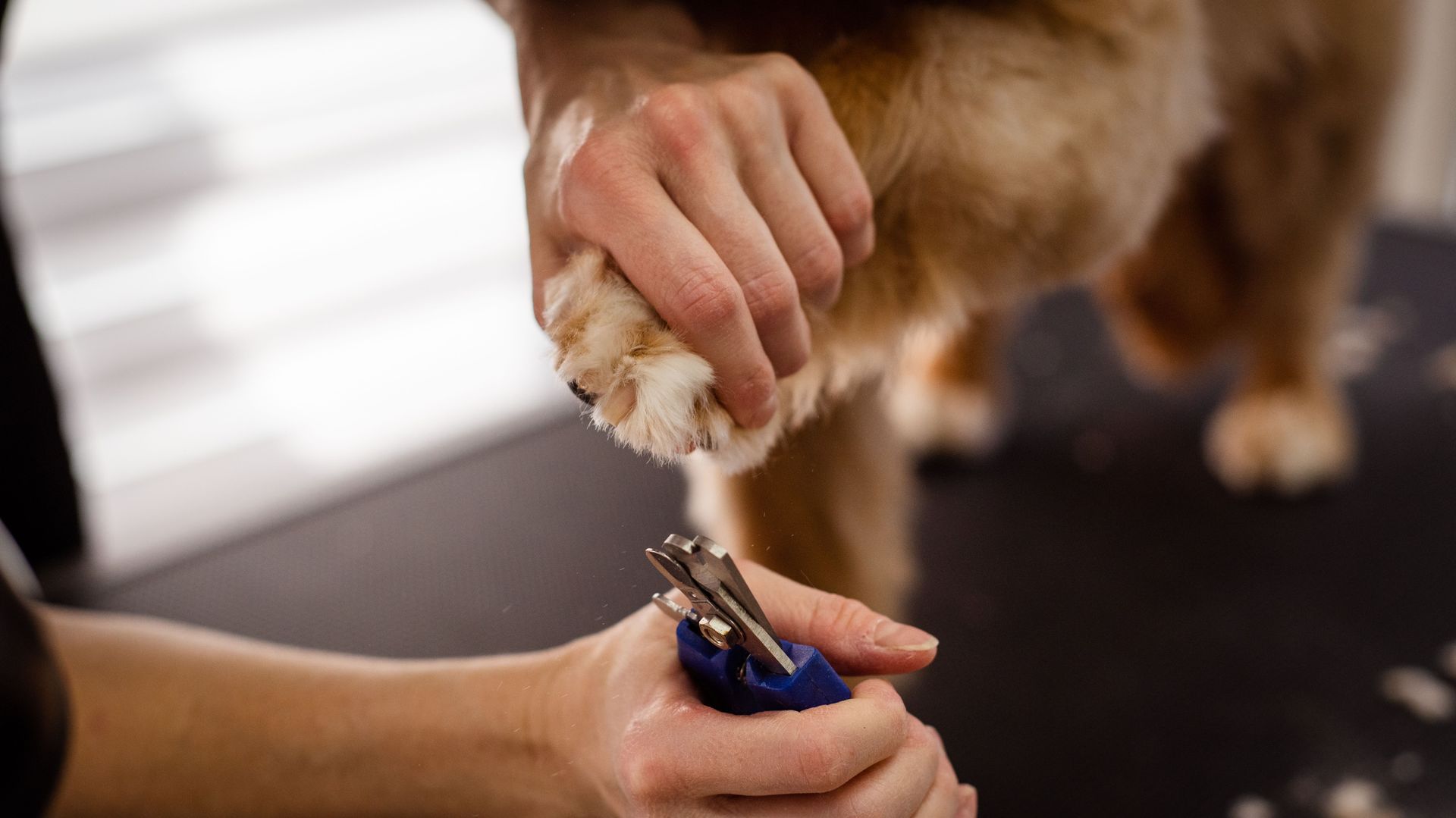
- Check nails every few weeks, since overgrown nails can curl inward or catch on fabric.
- Keep sessions short, especially with a new or anxious cat, rather than trying to do everything at once.
- Reward calm behavior with treats or affection to build a positive association.
Long-Haired Cat Grooming Tips
Long-haired breeds like Persians, Maine Coons, and Ragdolls need more frequent attention than short-haired cats. A few things that make a real difference:
- Brush two to three times a week, focusing on high-friction areas like behind the ears, under the arms, and around the tail
- Check for mats regularly, since long-haired cats can develop them faster than owners expect
- Use a metal comb rather than just a brush for problem areas, since combs catch tangles a brush can miss
- Schedule professional grooming every four to six weeks if matting tends to be an ongoing issue
Left unaddressed, mats on a long-haired cat can tighten against the skin and become genuinely painful, which is one of the most common reasons owners end up needing a professional groom sooner than planned.
How to Make Grooming Less Stressful for Your Cat
A lot of cats tolerate grooming better than owners expect, once a few things are handled correctly:
- Choose a quiet time when your cat is naturally calm, rather than right after play or a meal
- Keep the first few sessions very short, even just a minute or two, and build up gradually
- Avoid restraining a cat that's clearly stressed; a short pause is better than pushing through
- Use familiar-smelling towels or blankets during grooming to keep the environment comfortable
- If your cat has a strong aversion to handling, consider a professional groomer trained specifically in feline behavior rather than pushing through it yourself.
For cats with a documented history of stress or aggression during grooming, mobile grooming can also help, since it removes the car ride and unfamiliar shop environment that often makes things worse before the groom even starts.
Common Grooming Mistakes New Cat Owners Make
A few mistakes come up often with first-time cat owners, and avoiding them makes the whole process easier:
- Rushing the introduction. Trying to do a full grooming session on day one, before your cat is comfortable with the tools or handling, often backfires and makes future sessions harder.
- Using the wrong brush for the coat type. A brush built for short hair won't work well on a long-haired cat's undercoat, and vice versa. Using the wrong tool can miss mats entirely or cause unnecessary discomfort.
- Ignoring early signs of matting. Small tangles are much easier to work out than mats that have tightened against the skin. Catching them early saves both time and stress.
- Skipping nail checks. Nails are easy to forget about between grooming sessions, but overgrown nails can curl inward and cause real pain if left unchecked for too long.
- Forcing a stressed cat to continue. Pushing through a session once a cat is clearly agitated tends to create a negative association that makes the next attempt harder, not easier.
What to Look for in Cat Grooming Tools
The right tools make a noticeable difference, especially for long-haired cats or cats prone to matting:
- Slicker brush: Good for everyday brushing and removing loose fur before it becomes a mat.
- Metal comb: Better than a brush for catching tangles close to the skin, especially behind the ears and around the legs.
- Cat-safe nail clippers: Designed with a smaller, more precise blade than dog clippers, which matters for a cat's thinner nails.
- De-shedding tool: Useful during heavier shedding periods, particularly for double-coated breeds.
- Grooming wipes: A gentle option for spot-cleaning between baths, especially useful for cats that don't tolerate full baths well.
Do You Tip a Cat Groomer?
This comes up a lot, especially for first-time clients. Tipping a cat groomer isn't required, but it's a common and appreciated gesture for good service, similar to tipping in other personal care industries. A typical range is 15 to 20 percent of the service cost, though it ultimately comes down to your own judgment and satisfaction with the appointment. If your cat was particularly difficult to handle and the groomer worked through it patiently, that's often worth factoring in as well.
When to Call in a Professional
Home grooming covers a lot, but there are times when a professional groomer is the better call:
- Mats that are close to the skin or too large to safely brush out at home
- Nail trims for cats that won't tolerate handling from their owner
- Full baths, especially for cats with skin conditions or heavy shedding
- Senior cats that have stopped self-grooming as effectively as they used to
Professional groomers also catch things owners might miss, like early skin issues or overgrown nails that have started to curl.

Frequently Asked Questions
How often should I groom my cat at home?
Brushing two to three times a week works well for long-haired cats, and about once a week for short-haired cats. Nail checks every few weeks are a good habit regardless of coat type.
What tools do I need for basic cat grooming?
A slicker brush, a metal comb for mats, and cat-safe nail clippers cover most basic grooming needs at home.
Is it normal for cats to resist grooming?
Yes, especially early on. Short, positive sessions and patience usually help a cat get more comfortable over time.
Do you tip a cat groomer?
It's not required, but a 15 to 20 percent tip is common for good service, similar to other personal care appointments.
When should I stop grooming at home and call a professional?
If mats are close to the skin, your cat won't tolerate nail trims from you, or grooming has become a consistent struggle, it's worth bringing in a professional groomer trained in feline handling.
Ready for a Professional Groom?
If home grooming isn't cutting it, or your cat needs more than a quick brush, our mobile groomers bring calm, low-stress grooming right to your home in Miami.
📞 786-201-2632