
How Often Should You Groom Your Cat? A Complete Guide


Most cats groom themselves daily, which leads a lot of owners to assume professional grooming isn't necessary at all. In reality, self-grooming keeps a cat clean day-to-day, but it doesn't replace the deeper coat care, nail trims, and mat prevention that professional grooming provides. How often you should groom a cat actually depends on coat length, age, health, and lifestyle — here's how to figure out where your cat falls.
Do Cats Really Need Professional Grooming?
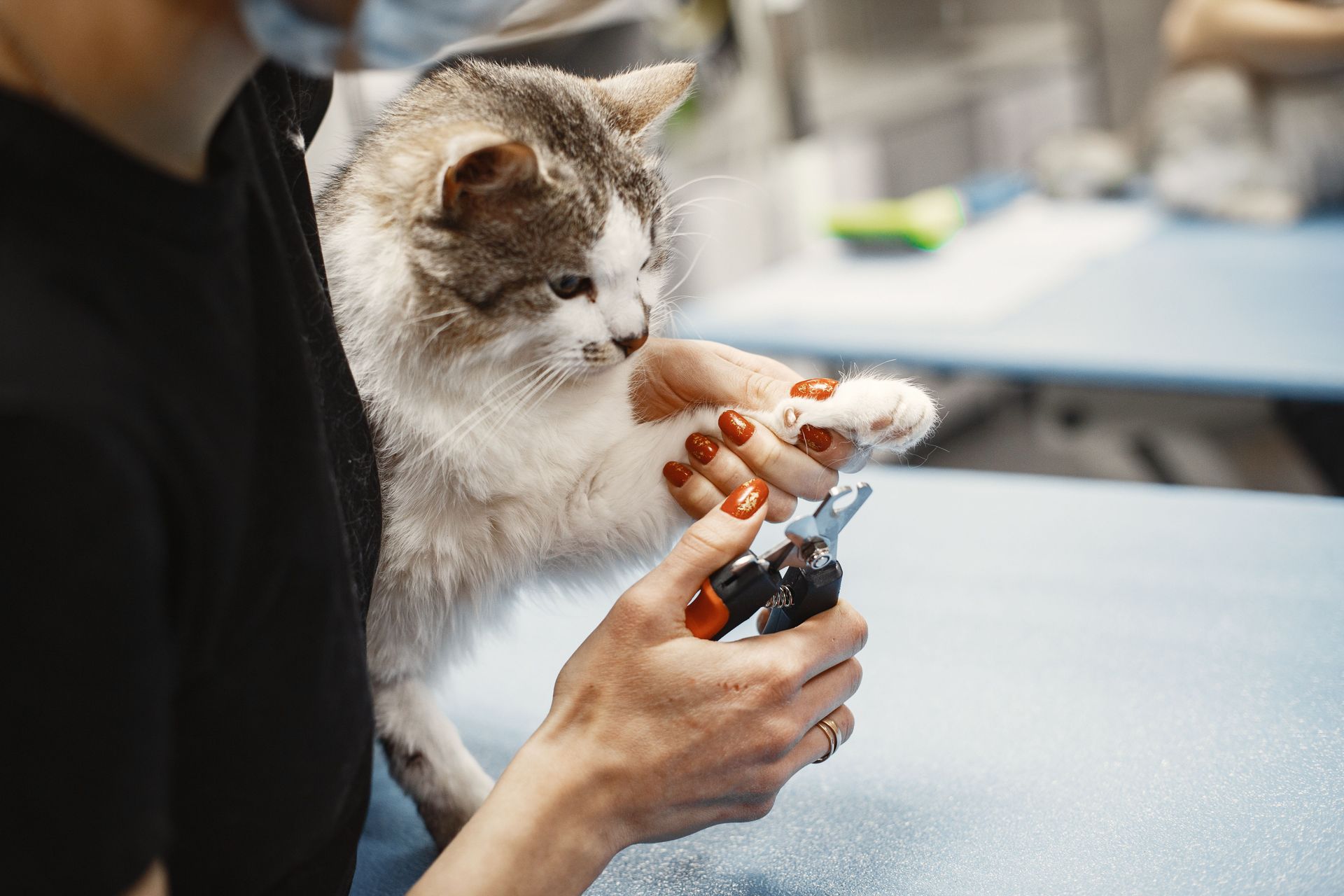
It's a fair question, since cats are famously self-sufficient when it comes to cleaning themselves. But self-grooming has limits. Cats can't reach every area effectively, especially around the neck, behind the ears, and along the back. Over time, loose fur that isn't fully removed by self-grooming builds up, which is part of why cats get hairballs. Nails also keep growing regardless of how much a cat grooms itself, and overgrown nails can curl inward or catch on fabric, sometimes causing pain or injury.
For most cats, a mix of self-grooming and occasional professional help keeps things in good shape. The "occasional" part is where coat type and lifestyle come in.
How Often Do You Have to Groom a Cat? It Depends on Coat Type
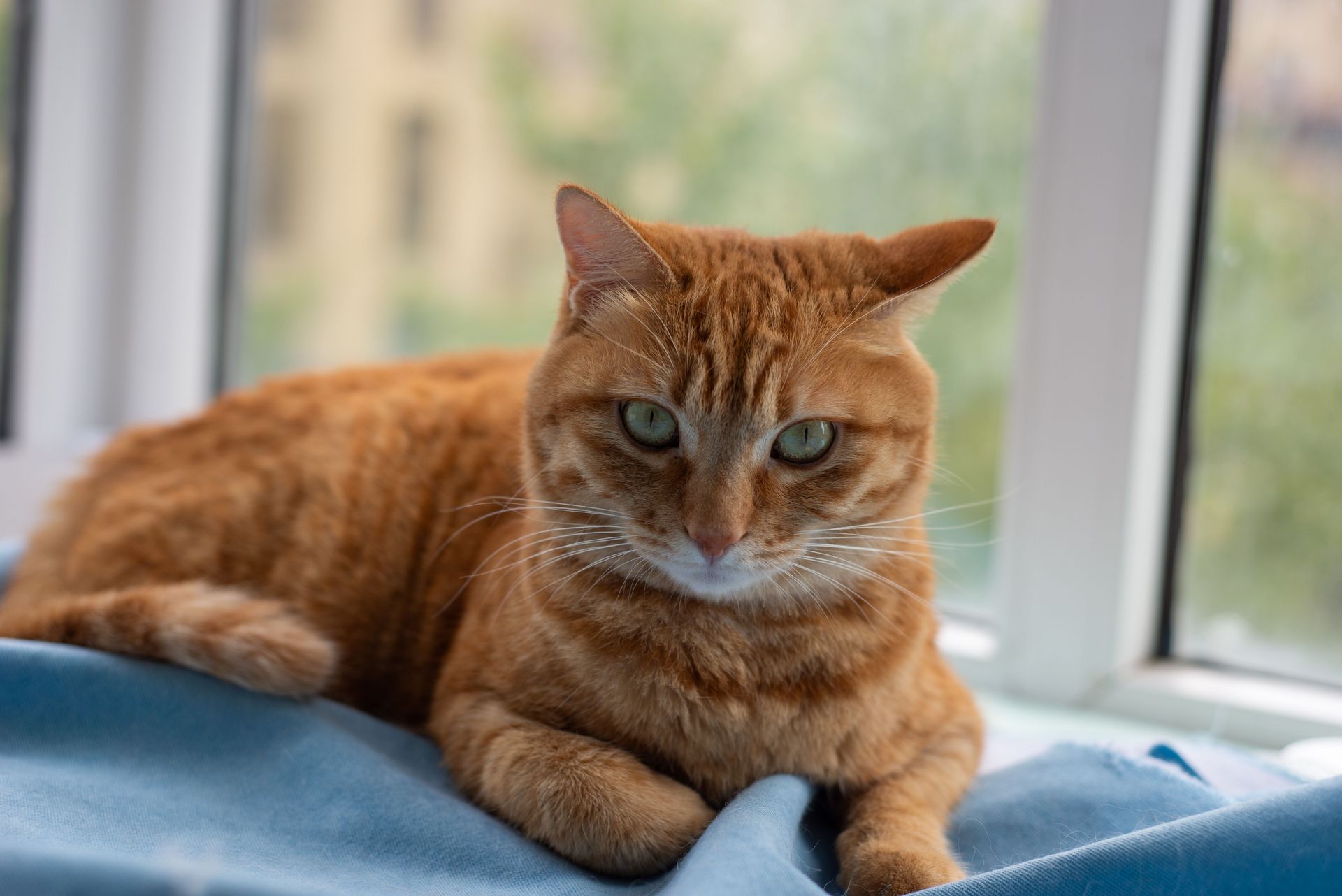
- Long-haired cats (Persians, Maine Coons, Ragdolls, Himalayans) — These breeds benefit most from regular professional grooming, typically every 4–6 weeks. Their coats mat easily, especially in high-friction spots like under the arms, behind the ears, and around the tail. Left too long between grooms, mats can pull tight against the skin and become painful, sometimes requiring a shorter cut just to remove safely.
- Medium-haired cats (American Shorthairs with denser coats, some mixed breeds) — Usually do well with grooming every 8–12 weeks, or more often during heavy shedding seasons.
- Short-haired cats (Siamese, Abyssinians, domestic shorthairs) — Generally need the least frequent professional grooming, often just every few months, mainly for nail trims, a bath if needed, and a general check for skin or coat issues.
- Hairless breeds (Sphynx) — Have different needs entirely; without fur to absorb body oils, they often need more frequent bathing (sometimes weekly) to prevent oil buildup on the skin, even though there's no coat to brush or de-mat.
How Age Changes Grooming Needs
- Kittens — Don't need much professional grooming early on, but introducing short, positive grooming experiences while they're young makes future appointments far easier. A kitten that's calmly handled, brushed, and had its paws touched early on is much less likely to become a difficult adult cat at grooming time.
- Adult cats — Grooming frequency mostly comes down to coat type and lifestyle at this stage, as outlined above.
- Senior cats — Often need more grooming help, not less. Arthritis and reduced flexibility make it harder for older cats to reach certain areas or groom as thoroughly as they used to. Senior cats are also more prone to matting even if they were low-maintenance for most of their life, simply because they physically can't keep up with self-grooming the way they once did.
Signs Your Cat Needs Grooming Sooner Rather Than Later
- Visible mats or tangles, especially around the belly, legs, or behind the ears
- A greasy, dull, or flaky coat that doesn't improve with regular brushing
- Noticeably more shedding or hairballs than usual
- Nails that are visibly overgrown, curling, or catching on fabric
- A strong odor that wasn't there before
- Any sudden decrease in self-grooming, which can sometimes point to an underlying health issue worth mentioning to a vet
What Happens If Grooming Gets Delayed Too Long
Skipping grooming for too long, especially for long-haired cats, usually doesn't just mean a slightly messier coat. Mats can tighten against the skin, restrict movement, and even trap moisture that leads to skin irritation or infection underneath. In more severe cases, matted fur has to be shaved rather than brushed out, since attempting to brush through skin-tight mats is painful and can injure the cat. Staying on a reasonably consistent grooming schedule, even if it's just every couple of months for a short-haired cat, helps avoid getting to that point.
Setting a Grooming Schedule That Works for Your Cat
"There's no single right answer, but a reasonable starting point:"
- Long-haired: every 4–6 weeks
- Medium-haired: every 8–12 weeks
- Short-haired: every few months, or as needed
- Senior or overweight cats of any coat type: more frequent than their coat type alone would suggest
From there, adjust based on what you actually observe between appointments. If mats are showing up before the next scheduled groom, it's worth tightening the interval.
Frequently Asked Questions
How often should you groom a cat?
Most cats benefit from professional grooming every 4–6 weeks for long-haired breeds, 8–12 weeks for medium-haired cats, and every few months for short-haired cats, with adjustments for age and health.
How often do you have to groom a cat if it's short-haired?
Short-haired cats generally need the least frequent grooming, often just every few months, mainly for nail trims and an occasional bath.
How often should you groom a long-haired cat?
Long-haired cats like Persians and Maine Coons typically need grooming every 4–6 weeks to prevent painful matting.
Can I groom my cat myself instead of hiring someone?
Basic brushing at home is great maintenance between professional appointments, but nail trims, de-matting, and full baths are often easier and safer for both you and your cat when handled by someone experienced, especially for cats that resist handling.
My senior cat has stopped grooming herself as much. Is that normal?
It's common with age due to reduced flexibility, but it does mean she may need more help from you or a professional to stay comfortable and mat-free.
What's the earliest age I can start grooming my kitten?
Once a kitten is fully vaccinated and comfortable being handled, gentle grooming introductions can start early, even if it's just short brushing sessions to get them used to it.
Ready for a Professional Groom?
If it's been a while since your cat's last groom, or you're noticing any of the signs above, our mobile groomers bring everything needed for a calm, low-stress session right to your home.
📞 786-201-2632