
How to Brush a Double-Coated Dog the Right Way


Double-coated breeds like Golden Retrievers, Huskies, and German Shepherds need a different brushing approach than single-coated dogs. Brushing only the top layer looks fine on the surface but leaves the dense undercoat matted and trapped underneath, which eventually leads to bigger grooming problems. Here's how to brush a double coat properly and avoid the most common mistakes.
What Makes a Double Coat Different
A double coat consists of two distinct layers: a coarser outer coat that repels water and dirt, and a soft, dense undercoat that provides insulation. This undercoat sheds heavily, especially during seasonal changes, and if it isn't brushed out regularly, it builds up and mats close to the skin. Breeds like Golden Retrievers, Siberian Huskies, German Shepherds, and Pomeranians all have this coat type, and each benefits from a brushing routine built specifically around it rather than a generic single-coat approach.
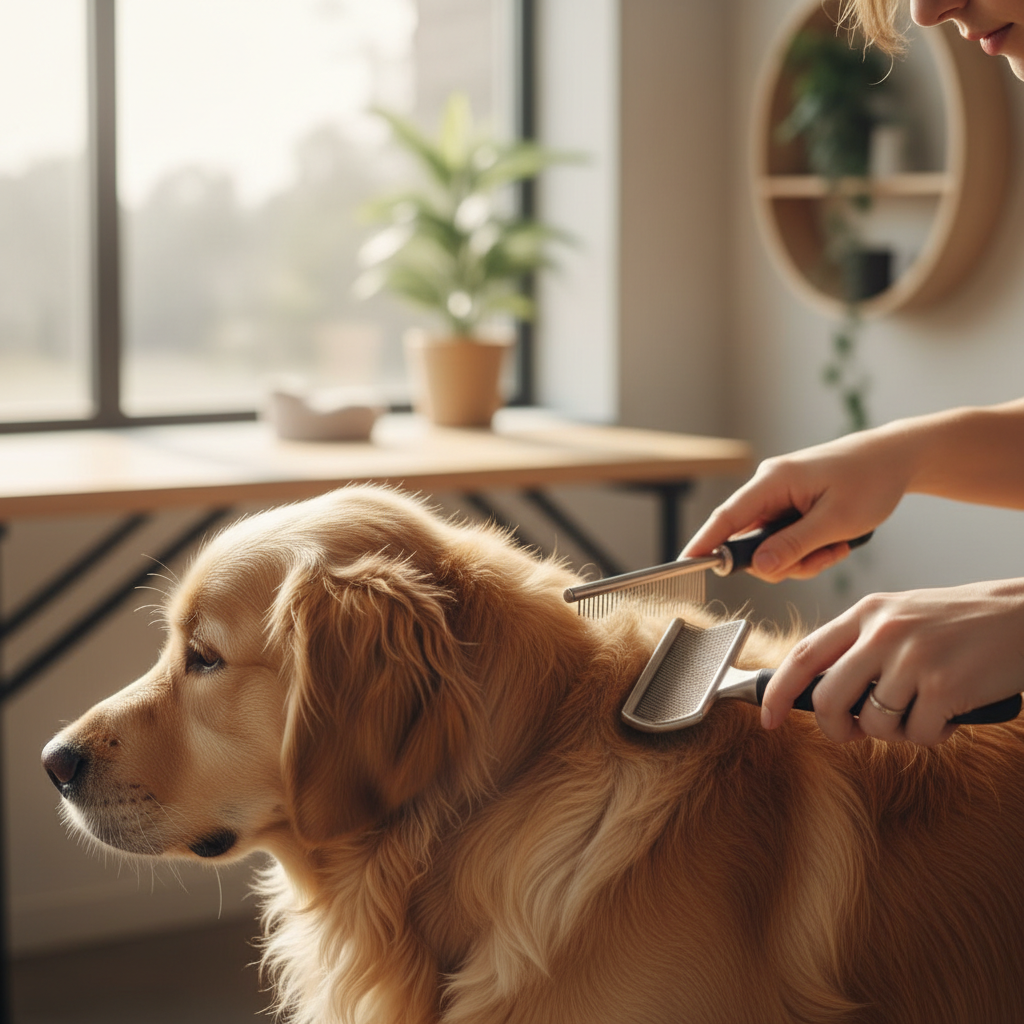
The Right Tools for a Double Coat
A slicker brush alone usually isn't enough for a double coat, since it mostly catches the top layer without reaching the undercoat underneath. A metal undercoat rake or a de-shedding tool designed for double coats does a much better job of pulling loose undercoat fur out without damaging the topcoat. A wide-tooth comb is also useful for checking problem areas like behind the ears and around the legs, where mats tend to form first. Using the right combination of tools makes the difference between a brushing session that actually removes loose undercoat and one that just tidies the surface.
How to Brush a Double Coat Step by Step
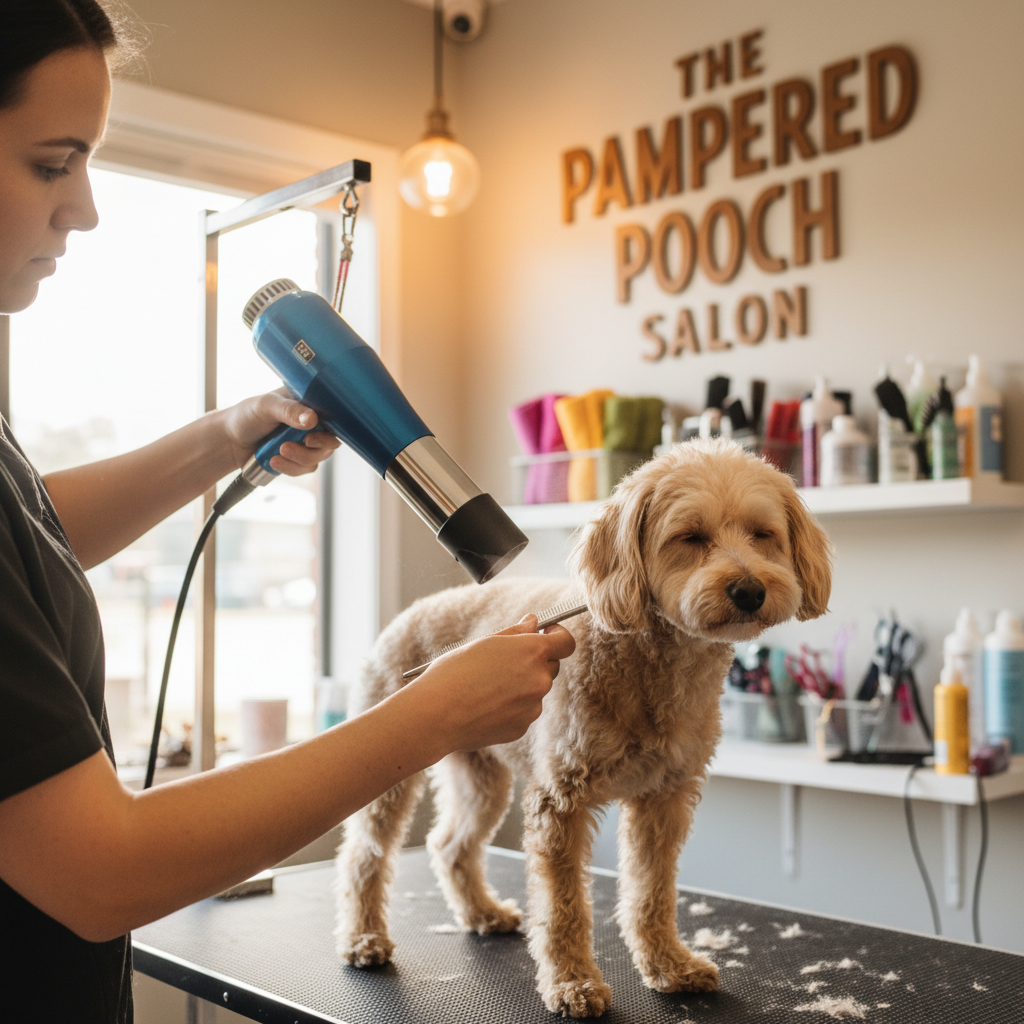
Start by working in sections rather than brushing the whole dog at once, since double coats are dense enough that skipping around often means missing spots. Begin with the slicker brush to remove surface debris and loose top-coat hair, then switch to the undercoat rake and work in the direction of hair growth, using firm but gentle strokes that reach down to the skin without scraping it. Pay extra attention to high-friction areas like behind the ears, under the legs, around the tail, and the chest, since these spots mat first and fastest. Finish with a comb to check for any missed tangles, especially in the areas just mentioned. Going too fast or only brushing the surface is the most common reason double-coated dogs still end up matted despite regular brushing.
How Often Should You Brush a Double-Coated Dog
Most double-coated breeds need brushing two to three times a week to stay ahead of matting and shedding. During seasonal shedding periods, often referred to as blowing coat, daily brushing for a week or two makes a real difference in managing the amount of loose fur, both on the dog and around the house. Outside of shedding season, a consistent two to three times a week routine is usually enough to prevent mats from building up in the undercoat.
Common Mistakes When Brushing a Double Coat
Shaving a double-coated dog to deal with shedding is one of the most common mistakes owners make, since it can permanently damage the coat's ability to regulate temperature and doesn't actually reduce shedding once it grows back. Brushing only the visible top layer without reaching the undercoat is another frequent issue, since it leaves the real problem, the matted undercoat, untouched. Brushing too infrequently and then trying to work through months of built-up matting in a single session is also hard on the dog and often requires a professional groomer to safely remove mats that have tightened close to the skin. Using the wrong tool, like a basic slicker brush for a heavily matted double coat, can also miss the undercoat entirely.
When to Bring in a Professional Groomer
If mats have already formed close to the skin, brushing at home can become genuinely difficult and sometimes uncomfortable for the dog. A professional groomer has tools and techniques to safely work through established mats or, in more severe cases, carefully trim them out without cutting the dog. Seasonal blowouts are also a good time to bring in a groomer for a thorough de-shedding treatment, since it removes far more loose undercoat than home brushing alone typically can.
Frequently Asked Questions
Should I shave my double-coated dog to reduce shedding?
No, shaving a double coat can damage its ability to regulate temperature and doesn't actually reduce shedding long term. Regular brushing and de-shedding treatments are a better approach.
How often should I brush a double-coated dog?
Two to three times a week is typical, with daily brushing recommended during seasonal shedding periods.
What's the best tool for brushing a double coat?
An undercoat rake or de-shedding tool works best for reaching the dense undercoat, paired with a slicker brush for the top coat and a comb for checking problem areas.
Why does my dog still have mats even though I brush regularly?
This usually means the undercoat isn't being reached, either because the wrong tool is being used or brushing isn't going deep enough to the skin.
Can a professional groomer help with a heavily matted double coat?
Yes, a groomer has the tools and experience to safely remove established mats or trim them out when brushing alone isn't enough.
Need Help With Your Double-Coated Dog?
If brushing at home isn't keeping up with shedding or matting, our groomers can handle a thorough de-shedding treatment right at your door in Boca Raton and West Palm Beach.
📞 Call (786) 201-2632