
Dog Ear Cleaning Tips Every Owner Should Know


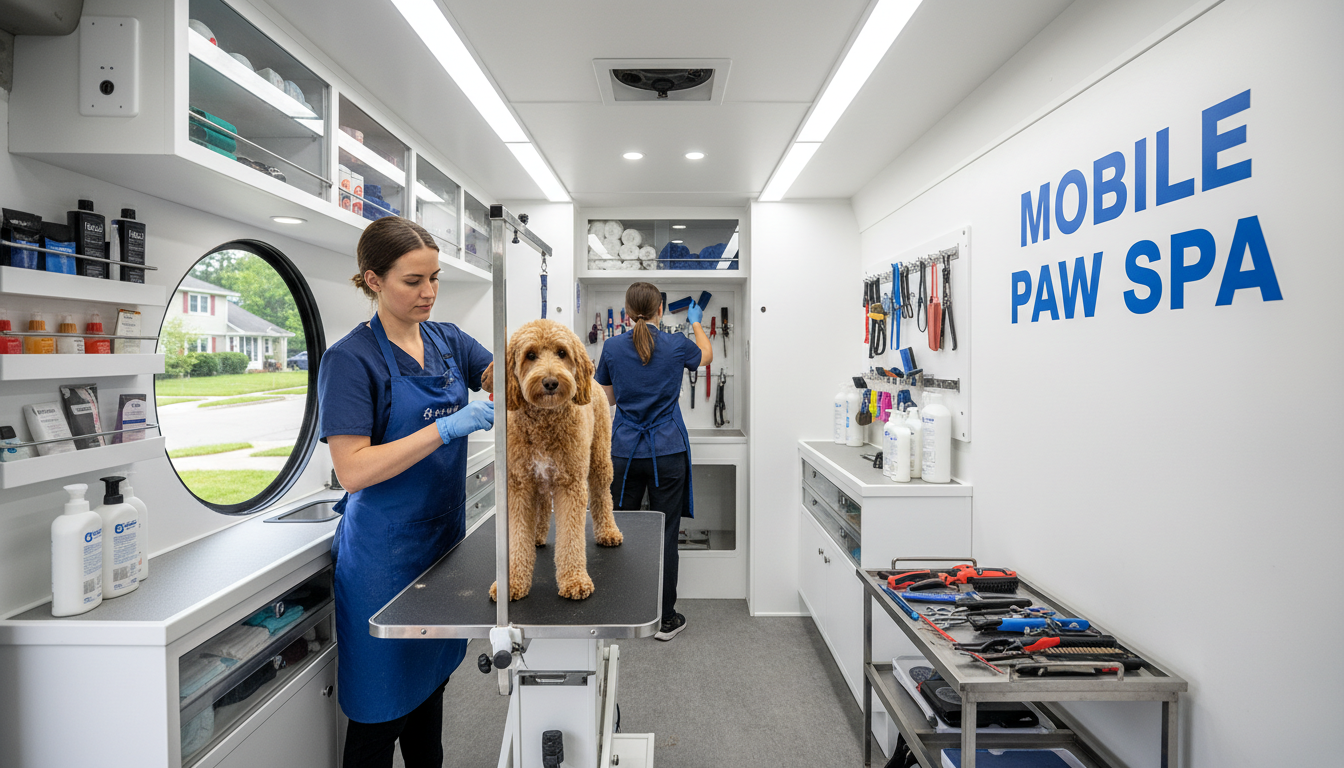
Ear cleaning is one of the most overlooked parts of a dog's grooming routine, but it matters more than most owners realize. Dogs with floppy ears, heavy shedding, or a history of ear infections need regular attention here, and doing it incorrectly can cause more harm than good. Here's how to clean your dog's ears safely and know when it's time to bring in a professional.
Why Ear Cleaning Matters
A dog's ear canal is naturally warm and moist, which makes it a good environment for yeast and bacteria to build up if it isn't kept clean. This is especially true for breeds with floppy ears, like Cocker Spaniels and Basset Hounds, since reduced airflow traps more moisture than an upright ear would.
Left unaddressed, buildup can lead to irritation, odor, and eventually a full ear infection, which is uncomfortable for your dog and often requires a vet visit to resolve.
How Often Should You Clean Your Dog's Ears?
Frequency depends on the dog:
- Floppy-eared breeds (Cocker Spaniels, Basset Hounds, Beagles) often benefit from weekly cleaning
- Upright-eared breeds with good airflow may only need cleaning every few weeks
- Dogs that swim regularly need more frequent cleaning, since trapped water increases the risk of infection
- Dogs with a history of ear infections may need a schedule set by their vet, sometimes more frequent than the general guidelines above
If you're unsure where your dog falls, a groomer or vet can recommend a schedule based on breed and ear shape.
How to Clean Your Dog's Ears Safely
A basic at-home cleaning routine looks like this:
- Use a vet-approved ear cleaning solution. Never use cotton swabs deep in the ear canal, since they can push debris further in or cause injury.
- Apply the solution as directed, usually by squeezing a small amount into the ear canal.
- Massage the base of the ear gently for several seconds to help loosen debris.
- Let your dog shake their head, which naturally brings loosened debris up and out.
- Wipe the visible part of the ear with a cotton ball or soft cloth, never pushing into the canal itself.
Go slowly, especially the first few times, and stop if your dog seems to be in pain rather than just mildly annoyed.
What Not to Do When Cleaning Dog Ears
A few common mistakes can cause more harm than the buildup itself:
- Using cotton swabs inside the ear canal. These can pack debris deeper or damage the eardrum.
- Cleaning too aggressively or too often. Over-cleaning can irritate healthy skin and actually increase the risk of infection.
- Using human ear cleaning products. A dog's ear pH is different, and human products aren't formulated for it.
- Ignoring signs of pain. If your dog flinches, pulls away sharply, or cries out, stop and consult a vet rather than pushing through.
Signs of an Ear Infection
Watch for these signs, which usually mean it's time for a vet visit rather than a routine cleaning:
- Strong, unusual odor coming from the ear
- Redness or swelling inside the ear
- Dark discharge or buildup that returns quickly after cleaning
- Frequent head shaking or scratching at the ear
- Sensitivity or pain when the ear is touched
- Visible discomfort or a head tilt
Catching an infection early usually means a simpler, faster treatment than waiting until it becomes more serious.
When to Let a Professional Handle It
Not every dog tolerates ear cleaning well at home, and that's fine. A professional groomer can:
- Handle ear cleaning as part of a regular grooming appointment
- Recognize early signs of infection before they become obvious
- Safely manage dogs that resist handling around their ears
- Trim excess ear hair in breeds prone to buildup, like Poodles and Cocker Spaniels
If ear cleaning has become a consistent struggle at home, incorporating it into a professional grooming session is often easier for both you and your dog.
Frequently Asked Questions
How often should I clean my dog's ears?
It depends on the breed and ear shape. Floppy-eared dogs often need weekly cleaning, while upright-eared breeds may only need it every few weeks.
Can I use a cotton swab to clean my dog's ears?
No, cotton swabs can push debris deeper into the ear canal or cause injury. Use a cotton ball or soft cloth for the visible part of the ear only.
What does a healthy dog ear look like?
A healthy ear is light pink, free of strong odor, and doesn't have excessive wax buildup or discharge.
How do I know if my dog has an ear infection?
Signs include a strong odor, redness, dark discharge, frequent head shaking, and sensitivity when the ear is touched. If you notice these, a vet visit is recommended.
Can a groomer help with ear cleaning?
Yes, ear cleaning is a standard part of most grooming appointments, and a groomer can also help identify early signs of infection.